Nepal is basically a full-blown playground for adventure junkies, packed with jaw-dropping remote landscapes that look like they’ve been turned up to “epic” and left there. Riveting, wild, and just the right amount of chaotic, this is the kind of place where you could spend years wandering rugged trails and still stumble onto something that makes your jaw drop. So if you’ve got even a sliver of an adventurer in you, Nepal’s trails are absolutely going to be your kind of obsession!


The only real challenge? Deciding which trekking company to trust when Nepal is practically overflowing with them (for example, Nepal Hiking Team are an outstanding trekking firm). To save you from analysis paralysis, we’ve rounded up some of the absolute best adventure treks in Nepal below. [Note: this post was updated on the 17th of June, 2026.]
Table of Contents
- Popular treks in Nepal & some remote treks you can do in Nepal
- 1. Annapurna Base Camp Trek
- 2. Manaslu Circuit Trek
- 3. The world-famous Everest Base Camp Trek
- 4. Langtang Valley Trek
- 5. Annapurna Circuit Trek
- 6. Makalu Base Camp Trek
- 7. Tsum Valley Trek
- 8. Kanchenjunga Circuit Trek
- Climbing Island Peak in Nepal
- How difficult is it to climb Island Peak in Nepal?
- – A technical climb
- – The headwall and the summit
- – Altitude sickness
- – Trekking routes
- – Weather conditions
- – Location
- – Basic climbing gear and equipment
- Six other great adventurous things to do in Nepal
- – Remote area trekking in Nepal
- – Paragliding in Nepal
- – Bungee jumping in Nepal
- – Everest skydive
- – Rafting in Nepal
- – Helicopter tour
- Wrap Up: The best treks in Nepal & some other things to do in Nepal
The Top Treks In Nepal & Some Remote Treks You Can Do In Nepal
Nepal might be sandwiched between two giants on the map, but don’t let that fool you: this place is absolutely stacked with natural beauty, deep cultural richness and landscapes that don’t even look real (for some news on the political developments in Nepal in the last ten years, read here).
Over the years, it’s quietly become a legend in the trekking world. In fact, many hikers swear it’s home to some of the best remote trekking routes on the planet. Every season, adventurers flock here to tackle its legendary trails - some popular treks are Everest Base Camp Trek, Annapurna Circuit Trek, Langtang Valley Trek and Manaslu Circuit Trek (and many more).
Over the years, it’s quietly become a legend in the trekking world. In fact, many hikers swear it’s home to some of the best remote trekking routes on the planet. Every season, adventurers flock here to tackle its legendary trails - some popular treks are Everest Base Camp Trek, Annapurna Circuit Trek, Langtang Valley Trek and Manaslu Circuit Trek (and many more).
If the mainstream routes feel a bit too “been there, done that,” or you’re craving something more off-grid and wild, you’re in luck: this article also highlights some seriously underrated remote trekking areas of Nepal. These trails are tougher, quieter, and way more raw - which is exactly what makes them unforgettable!

Before you even lace up your boots, you’ll likely spend a day or two in Kathmandu, soaking up the chaos, culture, and prepping like a proper adventurer. Remember: while you’re there, the UNESCO Heritage sites are absolutely worth a wander!
And if you’re missing gear or want to upgrade your kit, head to Thamel: basically Kathmandu’s buzzing backpacker HQ, where everything from trekking boots to quirky souvenirs lives in chaotic harmony.
And if you’re missing gear or want to upgrade your kit, head to Thamel: basically Kathmandu’s buzzing backpacker HQ, where everything from trekking boots to quirky souvenirs lives in chaotic harmony.
1. Annapurna Base Camp Trek
Annapurna Base Camp Trek is what happens when mountain drama and natural beauty decide to team up. The Annapurna region is basically trekking royalty: stunning, accessible and ridiculously photogenic in every direction. The adventure kicks off from the beautiful Pokhara, where the Machhapuchhre range casually steals the show.

From Pokhara, it’s a short drive to Nayapul, and then the real fun begins: Tikhe Dhunga, Ghorepani, Poon Hill (3210m), Chhomrong, Modi Khola valley, bamboo forests, rhododendron tunnels (and that slow build-up of mountain magic). You'll pass through Deurali, swing by Machhapuchhre Base Camp and finally arrive at the legendary Annapurna Base Camp sitting pretty at 4130 meters.
2. Manaslu Circuit Trek
Manaslu Circuit Trek is the kind of route that makes you feel like you’ve accidentally walked into a secret version of Nepal. Think dramatic landscapes, Tibetan-influenced villages, incredible food, and that perfect balance of remote and rewarding. It’s gaining popularity, sure - but it still feels gloriously off the beaten track!

You’ll circle the mighty Mount Manaslu: the eighth highest mountain in the world at 8163 metres. It’s a proper tea-house trek through wild terrain, with no need for domestic flights since it’s all reachable by land. The tea-houses keep you going along the way, and the legendary Larkya La Pass (5106 meters) adds just the right amount of “wow okay this is intense.”
Beyond the landscapes, this trek hits different culturally: you’ll probably pass through villages shaped by Tibetan traditions, ancient monasteries and gumbas that make the whole route feel quietly spiritual. It’s remote, peaceful, and honestly a bit addictive in the best way.
3. The world-famous Everest Base Camp Trek
Everest Base Camp Trek doesn’t really need an introduction: it’s the heavyweight champion of trekking dreams. This route through Sagarmatha National Park takes you deep into Sherpa territory, where every turn feels like a postcard that got a little too perfect to be real.

Suspension bridges, mountain air and a parade of Sherpa villages guide you all the way to the base of the world’s tallest peak. And then there’s Namche Bazaar: a buzzing little hub where trekkers regroup, refuel and briefly forget they’re at altitude because the vibes are usually just that good!
4. Langtang Valley Trek
Langtang Valley Trek is the quieter, more underrated sibling of Nepal’s trekking legends. Close to Kathmandu valley, it delivers big scenery without the big crowds. It’s peaceful, culturally rich, and perfect if you want nature without the tourist parade.
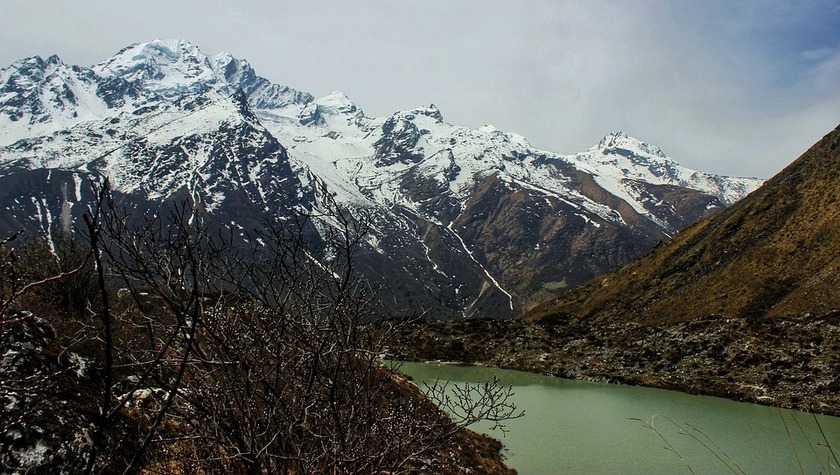
Starting from Syabru, the route winds through rough roads, waterfalls, and open valleys where yaks casually outnumber humans. Don’t miss Kyanjin gompa or Tserko Ri! The views are absolutely worth every step.
5. Annapurna Circuit Trek
Annapurna Circuit Trek is the kind of route that spoils you forever: it starts in lush green hills and slowly transforms into stark, high-altitude desert landscapes that feel like another planet entirely.

Along the way, you’ll get a front-row seat to Tibetan-influenced culture and some seriously dramatic walking paths - especially those narrow sections hovering above the roaring Marshyangdi river. It’s equal parts breathtaking and mildly terrifying (in the best way).
6. Makalu Base Camp Trek
Makalu Base Camp is another place to go when you want Nepal without the crowds. It’s raw, remote, and absolutely stunning, with rhododendron forests, huge mountain panoramas and silence that actually feels loud.
Makalu itself, the fifth highest mountain in the world at 8481 m, dominates the region. The trek sits within Makalu Barun National Park, home to rare wildlife and rich biodiversity. Along the way, you’ll pass through ethnic communities like Rai, Sherpa, and Tamang, all set against a backdrop of Chamlang, Kanchenjunga (and other towering giants).
7. Tsum Valley Trek
Tsum Valley was once a hidden trade corridor with Tibet, and it still feels like a secret the mountains are reluctantly sharing. Even now, only a handful of trekkers make it here each year:
This “hidden valley” only opened to outsiders in 2008, which explains the untouched feel. Sitting near Manaslu, it offers Tibetan Buddhist culture, ancient traditions and dramatic Himalayan scenery featuring Ganesh Himal, Sringi Himal, and the Boudha ranges. The Tsumbas (the locals of the valley) carry a culture that feels beautifully distinct from the rest of Nepal.
8. Kanchenjunga Circuit Trek
Kanchenjunga Circuit Trek is for those who want serious remoteness with a side of awe: circling Mount Kanchanjunga, the third highest mountain in the world, this route is wild, quiet and deeply rewarding.
The trail runs through the Kanchenjunga Conservation Area Project, home to wildlife like red pandas, snow leopards and Himalayan black bears (for real!). Permits are required, a guide is mandatory, and the infrastructure is minimal - which is exactly what keeps it so pristine. Expect simple tea-houses, slow travel and landscapes that hit you harder than expected.
Island Peak Climbing In Nepal
Island Peak (6189 m) is one of those Himalayan icons that looks all dreamy and photogenic from a distance - until you remember it’s also out here demanding effort, sweat, and a slightly unhinged level of ambition.
Also known as “Imja Tse”, this peak sits in the Everest region and honestly looks like it’s floating in an ocean of ice when viewed from Dingboche. Hence the name “Island Peak,” which sounds cute until you’re actually climbing it.
Although it’s technically a trekking peak, climbing Island Peak is still no casual hillside stroll. It’s the kind of adventure that politely reminds you that “trekking peak” is a flexible term. Expect a long, taxing journey through high-altitude terrain above 5000 m before you even think about the summit!
Also known as “Imja Tse”, this peak sits in the Everest region and honestly looks like it’s floating in an ocean of ice when viewed from Dingboche. Hence the name “Island Peak,” which sounds cute until you’re actually climbing it.
Although it’s technically a trekking peak, climbing Island Peak is still no casual hillside stroll. It’s the kind of adventure that politely reminds you that “trekking peak” is a flexible term. Expect a long, taxing journey through high-altitude terrain above 5000 m before you even think about the summit!

Once you’ve made it to Island Peak Base Camp (5100 m), things get real fast: you’re roped up, crampons on and suddenly questioning every life choice that led you here.
The foot of the headwall is where the climb really starts to show its personality. It’s steep, it’s thin-air territory, and yes: it’s a bit of a “why did I sign up for this?” moment. Thankfully, fixed lines are there to keep things from turning into a disaster montage. The final short push to the summit ridge is tough but doable (assuming your lungs are still cooperating).
The foot of the headwall is where the climb really starts to show its personality. It’s steep, it’s thin-air territory, and yes: it’s a bit of a “why did I sign up for this?” moment. Thankfully, fixed lines are there to keep things from turning into a disaster montage. The final short push to the summit ridge is tough but doable (assuming your lungs are still cooperating).
And then there’s acclimatization: the glamorous art of walking slowly and pretending it’s productive. Acclimatization is absolutely essential because the higher you go, the more your body starts negotiating terms.
The good news? Time up there actually helps! You adjust, you breathe a bit easier and you start feeling less like a confused sea-level creature. Still, this isn't a “wing it and hope for the best” kind of climb. Training, preparation, and respecting altitude are non-negotiable.
The good news? Time up there actually helps! You adjust, you breathe a bit easier and you start feeling less like a confused sea-level creature. Still, this isn't a “wing it and hope for the best” kind of climb. Training, preparation, and respecting altitude are non-negotiable.
How Difficult is Island Peak Climbing in Nepal?
Island Peak (6189 m) gets labeled as a trekking peak, but don’t let that wording lull you into complacency. It sits just above 6000 m and throws in enough technical sections to keep things interesting (and by interesting, we mean slightly humbling). You’ll need basic familiarity with gear like carabiners, figure 8 devices, ascenders and the general “how do I not fall off this” toolkit.
Beginners can attempt it, but ideally with some training and a willingness to learn quickly under pressure. Here’s what makes it spicy:
Beginners can attempt it, but ideally with some training and a willingness to learn quickly under pressure. Here’s what makes it spicy:
Technical Climb
This isn’t a casual hill walk with nice views. Island Peak demands basic rock and ice climbing skills, plus comfort with gear that looks more intimidating than it actually is (eventually). Ladders over crevasses, icy wind tunnels and frozen terrain all show up like uninvited guests. Crevasses are very much part of the experience, along with weather that enjoys keeping you guessing.
The headwall and the summit
The headwall is where Island Peak stops being polite. A steep 300 m ascent at 40-50 degrees means you’re climbing, not hiking. Meaning: crampons become suddenly your best friends and ropes your lifeline. Sherpas help with safety systems, but the effort is still yours. There are ladders over crevasses that feel very “trust the system” coded and yes, you’ll also descend the same section by abseiling. It’s technical, it’s tiring, and it’s exactly the kind of challenge people brag about later.
Altitude Sickness
Let’s talk about the real villain: altitude sickness. At 6189 m, oxygen becomes a rare luxury item. And your body will have opinions about this. Acclimatization, hydration and pacing yourself are not optional - they’re survival strategies! The itinerary usually builds in time for adjustment, which is your best defense. Some trekkers also use Diamox, but no tablet replaces smart pacing (altitude doesn’t care how fit you are).
Trekking Routes
You’ll be sharing parts of the route with the famous Everest Base Camp Trek, which means long trekking days (7-8 hours) and plenty of “are we there yet?” moments. Once you branch off, things get quieter and more rugged. The terrain gets less forgiving, the trails less obvious and your legs more aware of their existence. It’s beautiful - but it'll make you work for it!
Weather conditions
The weather up here behaves like it’s freelancing: one minute calm, the next minute aggressively windy. Early starts are your best friend. The Everest region remains cold throughout the year and nighttime is especially unforgiving. The climb requires constant readiness for temperature drops, wind bursts and general mountain unpredictability.
Location
Island Peak sits in the Everest region of Nepal, basically showing off by existing near giants like Everest and Lhotse. You typically fly into Lukla airport from Kathmandu before starting the trek. As I've mentioned before, the route often overlaps with Everest Base Camp before diverting toward the peak. You can go directly to Island Peak Base Camp but unless you enjoy high-altitude suffering in fast-forward mode, it’s not the beginner-friendly option.

From Dingboche, you’ll finally spot the peak after several days of trekking: nature’s way of saying “you’re getting closer, don’t quit now.” Island Peak sits near Mera Peak, which is a bit less technical and sometimes considered its more forgiving cousin. The remoteness, however, is part of the challenge. Getting here is half the story (and not the easy half).
Basic Climbing Gear and Equipment
Let’s talk gear: the real difference between “adventure” and “uh-oh.” Island Peak requires a solid set of climbing equipment. You can’t just wing it in trail shoes and optimism. You’ll need essentials like carabiners, ascenders, figure 8 devices and more. Here’s the full survival checklist vibe:
- Mountaineering boots: heavy-duty, insulated, and basically your best chance at not freezing your toes off while pretending to be an alpine hero.
- Fixed-line: your literal lifeline on steep sections. Choose wisely - it’s not decorative!
- Carabiners: because everything in climbing eventually involves clipping something to something else.
- Crampons: spiky confidence for your boots so you don’t slide into regret.
- Climbing harness: the thing keeping you attached to the “please don’t fall” system.
- Mountaineering helmets: because gravity is always lurking.
- Ascenders (Jumar): your upper-body workout machine disguised as safety gear.
- Ice axe: part tool, part emotional support object.
- Tape sling: simple, essential, and always more useful than you think.
- Figure 8 belay device: your smooth operator for controlled descents.
- Backpacking tent: your portable sanity bubble when teahouses disappear.
- Prusika loop: small but mighty (the unsung hero of climbing systems).
Six Other Great Adventurous Things to Do in Nepal
Nepal isn’t just here to humble climbers on mountains - it’s basically an open-world adventure game with too many side quests. Between the culture, landscapes and general chaos of beauty, there’s a lot going on!
And yes, people don’t just come here to stare politely at scenery; they come to do things. Big things. Often slightly questionable things I guess. Let’s get into it!
And yes, people don’t just come here to stare politely at scenery; they come to do things. Big things. Often slightly questionable things I guess. Let’s get into it!

If you’re an adventure junkie, Nepal will keep you busy: from mellow-ish hikes to full-blown adrenaline chaos, there’s no shortage of ways to test your nerves (and your travel insurance). And no matter what you do, the Himalayas will casually photobomb your entire trip like they own the place. Which... well, let's be honest, they kinda do. Let’s look at a few highlights:
Remote area trekking in Nepal
If “ordinary” trekking sounds too tame, remote area trekking is where things get real. remote area trekking takes you deep into regions where wi-fi fears to tread and modern life feels like a rumor. Places like Upper Mustang, Manaslu and Upper Dolpo serve raw landscapes and cultures that haven’t been polished for tourists. It’s immersive, intense and occasionally makes you forget what year it is.
Then there are the aforementioned classics like Everest Base Camp and Annapurna Circuit - because sometimes you want adventure with slightly more tea house stability and slightly less existential isolation. Either way, Nepal delivers.
Paragliding in Nepal
Ever wanted to casually fly like you’re in a nature documentary? Paragliding in Nepal is your chance. No wings required - just trust, wind, and a pilot who seems very calm about everything.
Pokhara is the main stage for this airborne magic: it gives you lakes, mountains and views that make you briefly consider quitting your job and becoming a professional sky person. It’s peaceful, surreal and just the right amount of terrifying to be fun!
Bungee jumping in Nepal
If your idea of fun involves voluntarily falling off things, bungee jumping has you covered. It’s short, dramatic (and emotionally confusing in the best way possible).
The Bhote Koshi River bridge is the star of the show: it delivers a 160 m drop that will absolutely wake you up in ways coffee never could. It’s safe, it’s structured, and yes - it still feels slightly like you’ve made a mistake right up until the bounce catches you!
Everest skydive
Skydiving is already unhinged, right? Now add Everest to it! Skydiving over the Himalayas is the kind of experience that makes you question whether humans were meant to do this kind of thing (and then do it anyway).
The Everest Skydive is peak adrenaline (literally). Jumping from around 11,000 feet with the world’s highest mountains beneath you is the kind of story that makes everything else sound boring afterward. It’s intense, surreal and extremely not for the faint of heart!.
Rafting in Nepal
Nepal’s rivers don’t do “gentle.” Rafting in Nepal is all about white-water chaos, teamwork and trying not to fall out while still pretending you’re in control.
Rivers like the Trishuli bring the drama, the splash, and the occasional “why is the water hitting my face sideways?” moment. Multi-day rafting trips even throw in camping because apparently surviving rapids wasn’t enough excitement already.
Helicopter tour
If you want Himalayan views without the blisters, helicopters are your cheat code. The mountains are always there, towering dramatically - but now you get to admire them without hiking like your life depends on it.
The Everest Base Camp helicopter tour is the ultimate “I want the view but not the effort” experience: you’ll glide over glaciers, valleys and peaks that look almost unreal from above. Annapurna also gets its own aerial spotlight. It’s fast, stunning, and extremely efficient adventuring.
Wrap Up: The Best Treks in Nepal & Other Great Adventurous Things
At this point, Nepal has probably made its case: it’s not just a destination, it’s a full-blown adventure buffet. Whether you’re climbing, flying, falling or rafting your way through it, there’s no shortage of ways to test your comfort zone.
So pick your poison, pack accordingly, and prepare for scenery that will ruin all future expectations of “normal” travel. And if you’re still standing after all that, consider yourself officially initiated!
So pick your poison, pack accordingly, and prepare for scenery that will ruin all future expectations of “normal” travel. And if you’re still standing after all that, consider yourself officially initiated!
Much of this post was brought to you by our good friend Balaram who actually lives and works in Nepal - thank you Balaram! And if you're interested in being vegan while trekking in Nepal, feel free to check out the article on our sister site :)